Your Heart: A Lifelong Love Affair – Top 5 Tips from a Cardiologist
FEB 11, 2026Top 5 non-negotiable ways to keep your heart healthy and thriving, from a Cardiologist's perspective.
Read More

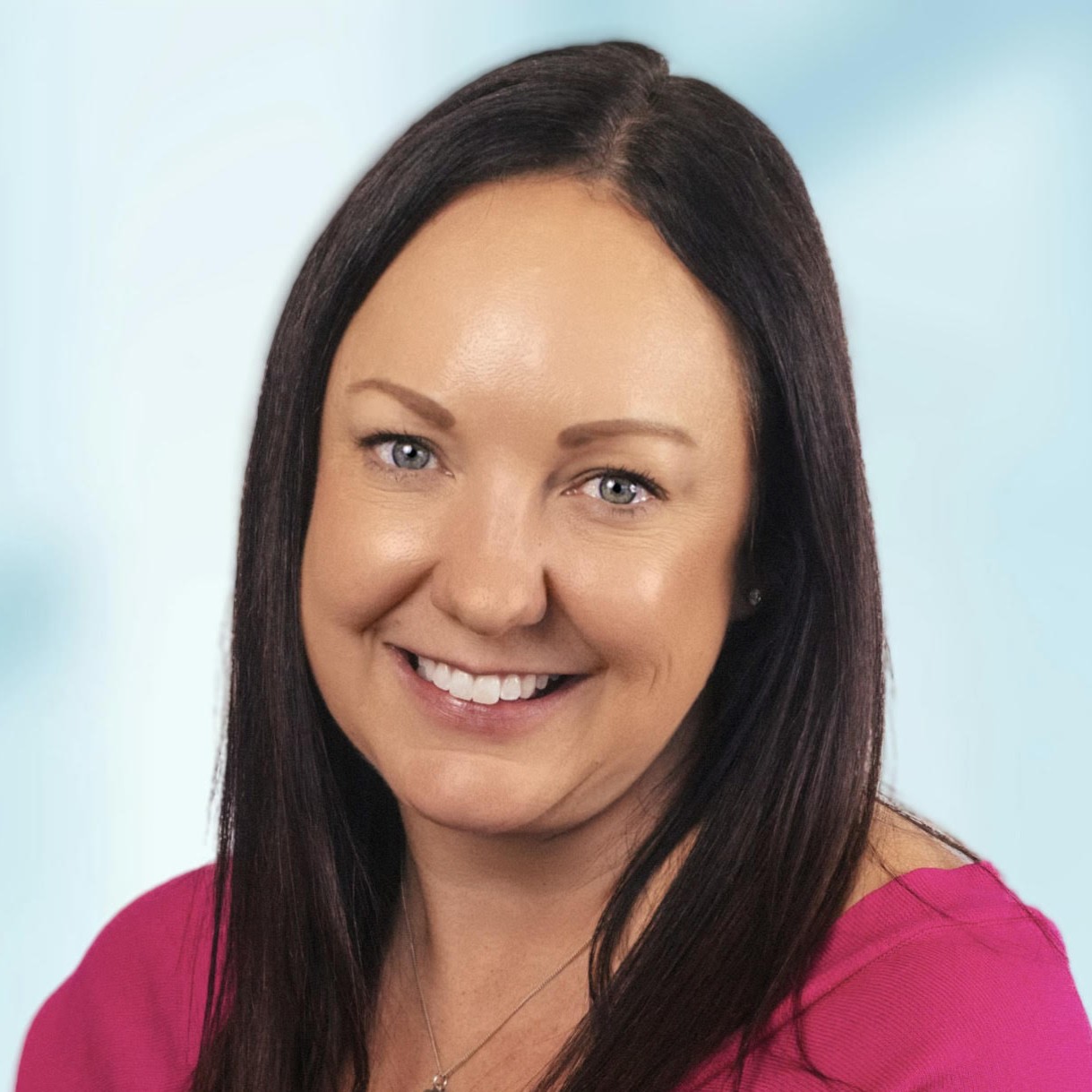
We are thrilled to introduce the newest member of our cardiac rehabilitation team: our dedicated Clinical Exercise Physiologist, Cheyenne Clinton, ACSM, CEP! This new role is a significant step forward in our commitment to providing comprehensive, personalized care for our patients. You might be wondering, "What exactly does a Clinical Exercise Physiologist do, and could their services benefit me?" Let's dive in!
Imagine a healthcare professional who specializes in using exercise as a powerful tool for health and healing. That's a Clinical Exercise Physiologist! Our new CEP holds the prestigious ACSM Clinical Exercise Physiologist (ACSM-CEP®) certification, which means they possess a deep understanding of how the body responds to exercise, especially when navigating chronic diseases, conditions, or physical limitations.
They aren't just personal trainers; they are highly skilled healthcare professionals with extensive education and practical experience in exercise science and clinical practice.

Our Clinical Exercise Physiologist will work closely with patients, physicians, and other healthcare providers to:
Assess Your Fitness & Health: They conduct thorough exercise assessments, including cardiac stress testing, to understand your current physical capabilities and identify any risk factors.
Design Personalized Exercise Programs: Using evidence-based practices, they create safe and effective exercise plans tailored specifically to your health needs and goals.
Provide Behavior Change Support: Exercise is only effective if you stick with it! Our CEP uses behavioral health strategies to help you adopt and maintain healthy lifestyle changes.
Educate & Empower: They’ll teach you about your condition, the benefits of exercise for your specific needs, and how to exercise safely and effectively.
Monitor Your Progress: They'll supervise your exercise sessions, especially in programs like Cardiac Rehab Phase II, to ensure your safety and adapt your plan as you improve.
Our CEP works in our cardiac rehab department, but their expertise extends far beyond just heart conditions. They are integral to helping a wide variety of clinical populations.
If you're managing a chronic health condition, recovering from an illness, or simply looking to improve your overall health with expert guidance, a Clinical Exercise Physiologist can be an invaluable resource. Here are just a few examples of who can benefit:
Older Adults: Combat age-related decline, maintain independence, manage chronic diseases, and boost your well-being. Did you know only 12% of older adults meet federal exercise guidelines? Our CEP can help you get there!
Expectant Mothers: Manage gestational weight gain, reduce the risk of complications like gestational diabetes and preeclampsia, and improve mood during pregnancy.
Individuals with Heart & Lung Conditions: Whether you're recovering from a heart attack, bypass surgery, or managing conditions like COPD, our CEP is key to our comprehensive Cardiac Rehab Phase II & III and Pulmonary Rehab programs. Phase III is especially great for those with multiple risk factors like hypertension, obesity, diabetes, or a history of smoking, who may not qualify for Phase II but still need expert guidance.
People with Diabetes: Improve glucose tolerance, insulin sensitivity, and overall cardiovascular health through carefully designed exercise.
Managing High Cholesterol & Blood Pressure: Learn how targeted exercise can help reduce LDL-C, triglycerides, and lower blood pressure.
Weight Management: If you're overweight or obese, our CEP can help you incorporate exercise to reduce your risk of numerous chronic diseases.
Arthritis Sufferers: Exercise is crucial for managing pain and functional limitations, helping you maintain mobility and improve body composition.
Cancer Patients & Survivors: Exercise can truly be medicine, helping to mitigate treatment side effects, improve physical function, and potentially reduce recurrence risk.
Other Conditions: Including fibromyalgia, kidney disease, multiple sclerosis, osteoporosis, Alzheimer's, cerebral palsy, and Parkinson's disease – where adapted exercise can significantly improve quality of life and functional ability.
For Cheyenne, exercise isn't a chore; it's a bridge to a better quality of life. She specializes in working with individuals facing clinical and chronic diseases, utilizing evidence-based exercise interventions to:
Improve overall quality of life: Helping you regain independence and enjoy daily activities.
Enhance health outcomes: Strategically managing conditions and preventing further complications.
Boost overall well-being: Fostering physical and mental resilience.
She understands that every individual is unique, and she excels at crafting personalized exercise programs that are safe, effective, and tailored to your specific needs and goals.
Our new Clinical Exercise Physiologist is here to help you achieve your health goals, no matter where you are on your journey. If you or a loved one could benefit from specialized exercise programming and comprehensive lifestyle support, we encourage you to learn more. To make an appointment with Cheyenne, call (701) 774-7090 today.

Top 5 non-negotiable ways to keep your heart healthy and thriving, from a Cardiologist's perspective.
Read More
With heart disease, a significant portion of its power comes from specific, identifiable risk factors. Learn how to combat them.
Read More
An interventional cardiologist performs procedures that frequently involve small tubes called catheters to diagnose and treat conditions affecting the heart and blood vessels.
Read More